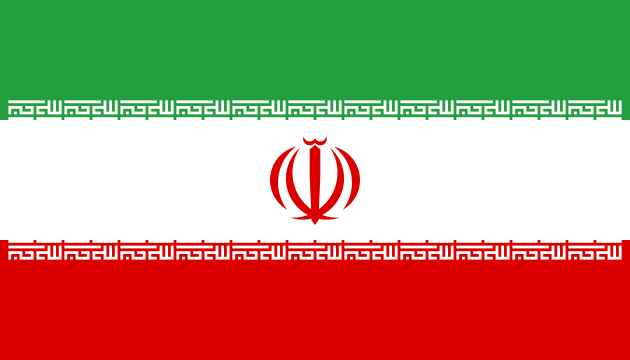
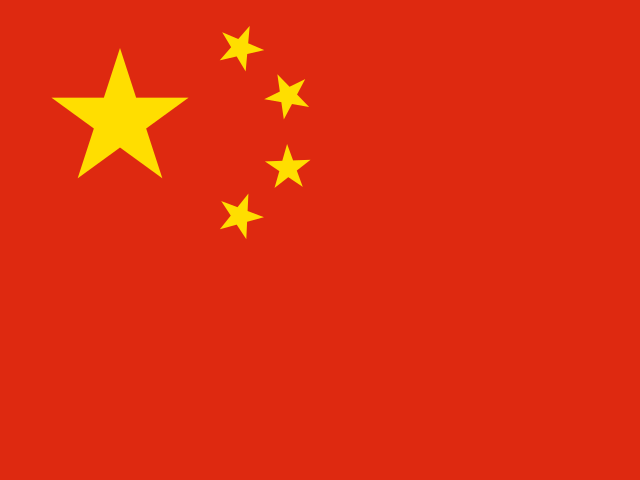
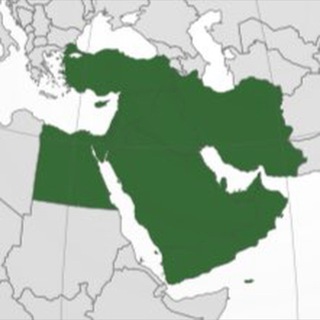
Middle East Spectator runs as a rapid-fire geopolitical wire service, publishing three to six short dispatches a day, each opening with a flag-emoji country tag and a terse breaking-news headline. The subject matter narrows almost entirely to the Iran-centered "Resistance Axis": Houthi strikes on Saudi oil infrastructure, Iranian-Iraqi diplomacy over Strait of Hormuz shipping, sanctions moves out of Washington and Beijing's response to them, and the economic fallout of the Iran-Gulf confrontation on Qatar and Kuwait. Coverage regularly extends to adjacent flashpoints — Pakistan-Syria-Iran normalization talks, Canada-US trade friction, domestic American political sniping — but always circles back to how each event bears on Iran's regional position.
The channel states its own slant upfront ("independent, but not unbiased") and the posts bear that out: framing consistently favors Iran and allied forces, casts Gulf states and the US as adversaries under strain, and treats claims from Houthi military statements or Iranian state media as reportable fact rather than something to weigh against a rival source. Readers get volume and speed — several items can land within the same hour on active news days — but rarely a second data point or a counter-claim from the other side. A post about satellite imagery of refinery damage, for example, states the outcome without noting whether it has been independently verified.
Writing is clipped and telegraphic, built for scanning rather than reading: short clauses, heavy use of national flags as shorthand, and occasional repetition of near-identical items posted minutes apart, with only the caption trimmed between them. There is no long-form analysis here — nothing runs past a few sentences — so anyone looking for background, history, or explanation behind a given development will need to look elsewhere.
This is a channel for people who already follow Middle East conflict news closely and want a fast, opinionated feed of what Iran-aligned sources are saying about the war, sanctions, and shifting regional alliances — not for readers wanting a balanced first introduction to the region. Its strength is speed and a consistent point of view; its weakness is the absence of any counterweight or verification layer. Anyone relying on it for more than raw signal-gathering should plan to cross-check claims elsewhere before treating them as settled.
 M
M
 M
M
 A
A
 J
J
 E
E
 L
L
 S
S
 M
M
 L
L